1341 Frames Of Love And War
Against a collection of his stunning snapshots, enlargements, and contact sheets, Israeli photojournalist Micha Bar-Am and his wife and collaborator Orna (both heard, but not seen)
Portland Press Herald, Feb. 24, 2024, . Dennis Perkins

The Maine Jewish Film Festival is one of the big events on the Maine movie calendar. MJFF’s 26th festival is taking place this week, from Saturday through March 9 at venues in Portland, Waterville, Lewiston and Brunswick and featuring 15 fascinating and thrillingly different films from around the world.
As ever, the Maine Jewish Film Festival is a treat for film fans of any (or no) religion, with its 2025 theme of “Destinations Unknown,” promising moviegoers the festival’s traditional wide-ranging and entertaining view of the world as seen through the eyes of Jewish creators.
ON A MISSION
First-year MJFF Executive Director David Andrusia cites famous Jewish author Elie Wiesel in saying, “Peace is our gift to each other” in explaining the festival’s ongoing mission. “It’s our hope that by showing positive images not only of Jews but of our brethren throughout the world, we can take one step farther toward peace.”
That’s a tall order for a film festival, but movies have always had the power to move people, and this year’s festival, according to Andrusia, seeks to bring an increasingly fractured world together. “We certainly recognize world events,” says Andrusia, who recently moved to Maine after organizing Washington, D.C.’s March on Washington Film Festival. “But we strive to present positive images of Jewish life here and around the world that show how kinship and allyship not only can but must be our roadmaps in searching for a more peaceful and inclusive world.”
This year’s films approach that mission in excitingly different ways.
Documentaries like Ilana Trachtman’s “Ain’t No Back to a Merry-Go-Round” tackle justice and civil rights directly in its portrait of young Howard University students’ sit-in on a Maryland amusement park’s segregated rides. Daniel Robbins’ “Bad Shabbos” employs dark family comedy involving the tense holiday meeting of a Jewish family and the strictly Catholic parents of a recently converted daughter, made even more high-stakes by the discovery of a mysterious dead body.
“Our theme this year is ‘Destinations Unknown,’ and that encompasses real destinations, places where you would not expect to find Jewish culture, and also destinations of the mind,” says Andrusia of this MJFF’s signature blend of tones, styles and subject matter. “We sought out films that would nudge people into new ways of seeing their place in the world, in Jewish life around the globe.”
SOMETHING FOR EVERYONE
I asked Andrusia to pick out a few favorite films he’s especially excited about this year.
‘Come Closer’ is our opening night film (playing Saturday, March 1 at the Portland Museum of Art). It won the equivalent of the Israeli Academy Awards for Best Picture and Best Actress, and it turns tragedy into a really searing personal exploration of friendship and love.” The film is the tragic tale of a shocking accident that brings two young women together. “It’s going to attract a younger audience, a new audience,” Andrusia says.
Switching gears completely is “Thelma,” starring then 93-year-old June Squibb (“Nebraska,” “About Schmidt”) in her first starring role as a nursing home resident who takes off on an improbable rampage of revenge (at times on her motorized scooter) against the scammers who stole her money. Featuring the last role of Shaft himself, Richard Roundtree, as the feisty Thelma’s partner in vengeance, the film, according to Andrusia, saw the preview audience not only laughing but cheering. “It’s cathartic in a lot of ways,” Andrusia says, “a lot of fun and very warm and human—people love this film

Against a collection of his stunning snapshots, enlargements, and contact sheets, Israeli photojournalist Micha Bar-Am and his wife and collaborator Orna (both heard, but not seen)

In 1933, photographer Gerta Pohorylle fled Nazi Germany for Paris, where she fell in love with journalist Endre Friedmann. Three years later, the two young

After two years in the United States, Moroccan-born Jewish comedian Gad Elmaleh arrives in Paris, ostensibly to visit his parents. When his observant family discovers

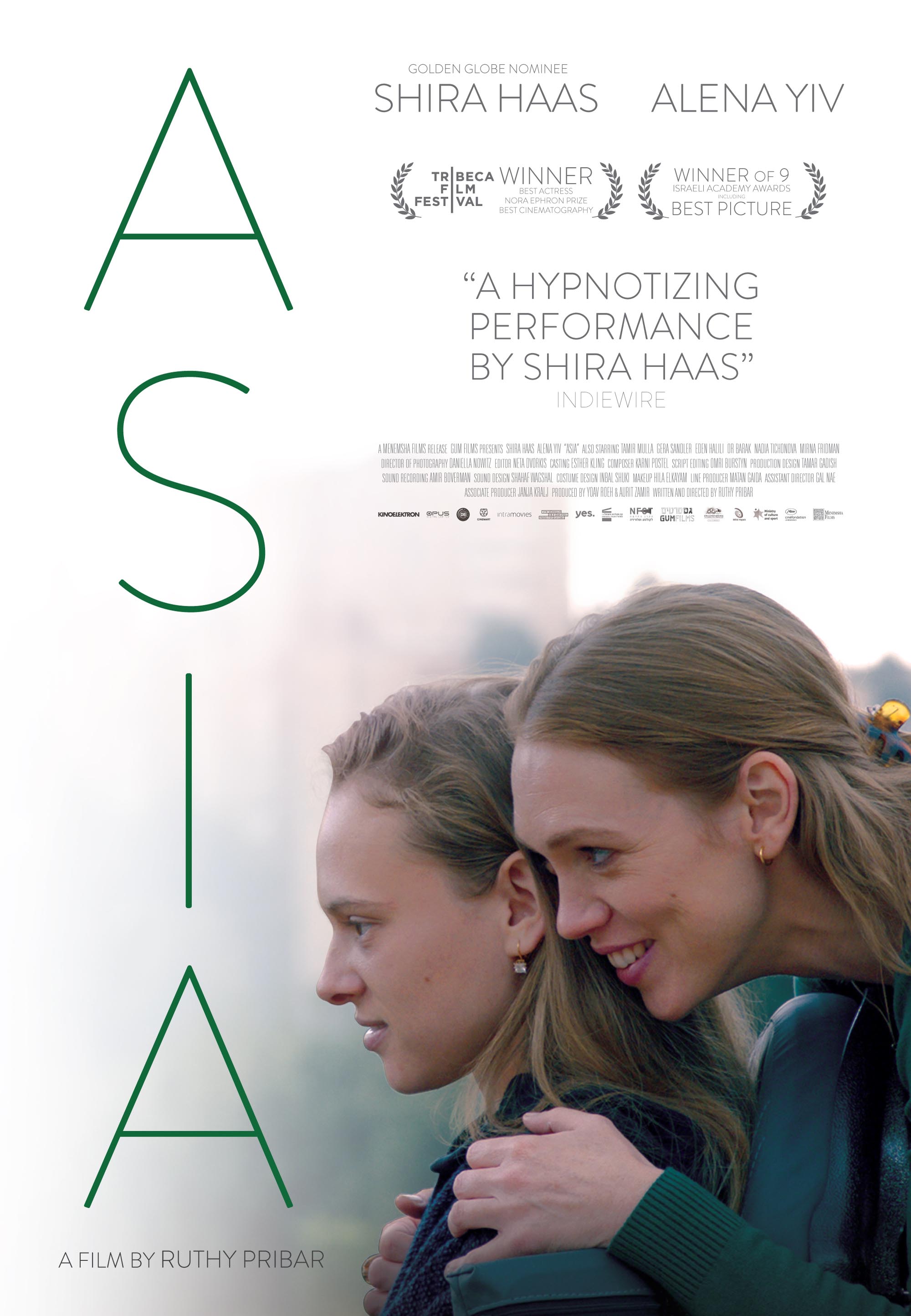
Following her older sister’s example, Valeria travels from Ukraine to Israel to marry a man she has met only briefly online. When reality doesn’t match

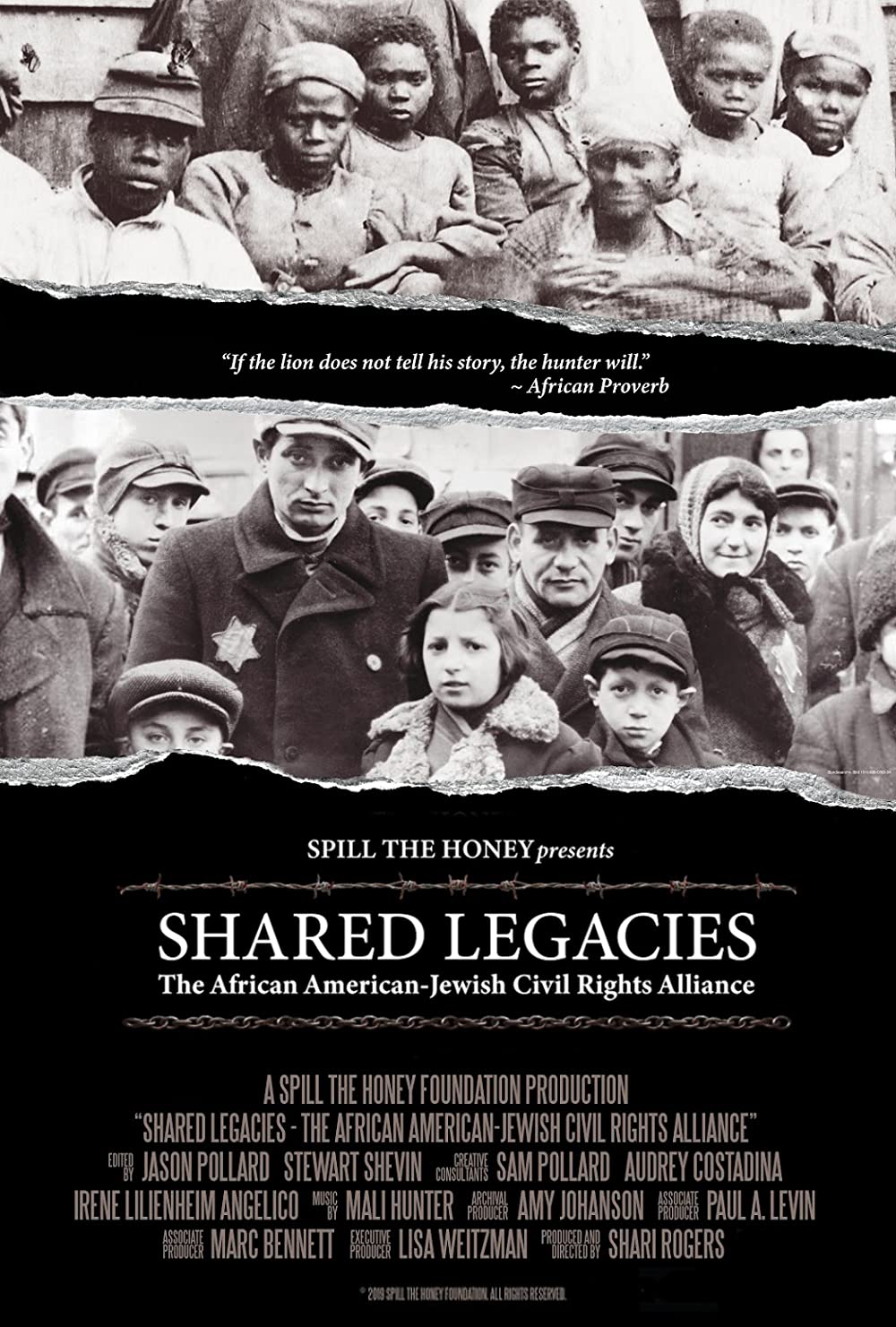
Determined to overcome suspicion and misunderstanding between Black and Jewish Americans, charismatic African American rabbi and community activist Tamar Manasseh takes religion out of the

Jonathan, a young man with severe physical disability, thrives in a family of women who use frank talk and humor to help normalize his dependence

This emotional and, at times, funny film follows Oren, a bright neurodivergent Israeli teen on a journey of self-discovery. Desperate for love but recoiling from

Young Faigi lives with her husband, Naftali, and his parents in a Haredi (ultra-Orthodox) community. Married for four years but still childless, Faigi and Naftali

This compelling love story is set in a period of Polish history few Americans know about: the virulent wave of antisemitic purges and government crackdowns

Legendary mime Marcel Marceau is recognized worldwide for his iconic stage persona, “Bip the Clown,” whose silk hat and flower represented what he called “the
In this bittersweet dramatic comedy, the fragile detente between a long-married, middle-class couple begins to crumble when they find themselves in the thrall of the

LET IT BE MORNING is the story of Sami (Alex Bakri) a Palestinian-born Israeli citizen living in Jerusalem who receives an invitation to his brother’s

The Violins of Hope are precious stringed instruments that survived the Holocaust. Some were played by prisoners of ghettos and death camps. Today, restored by Israeli luthiers Amnon and Avshi Weinstein, these precious instruments bring joy to audiences around the world.

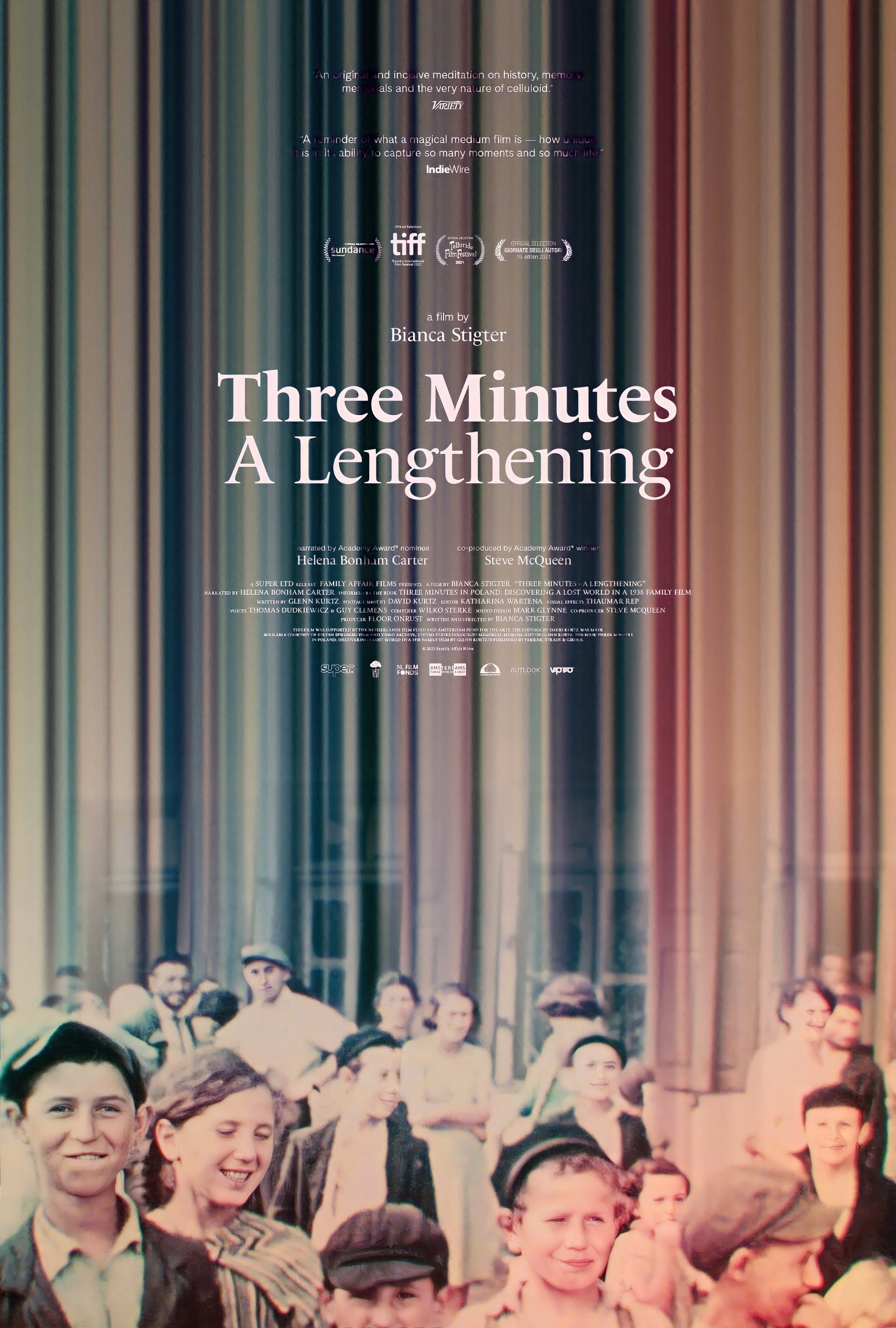
Three Minutes: A Lengthening is composed entirely of fragments of amateur 16mm film shot by David Kurtz on a brief visit to his birthplace, the


AHEAD OF THE CURVE tracks the power of lesbian visibility and community from the early ‘90s to the present day through the story of Franco’s founding of Curve magazine.
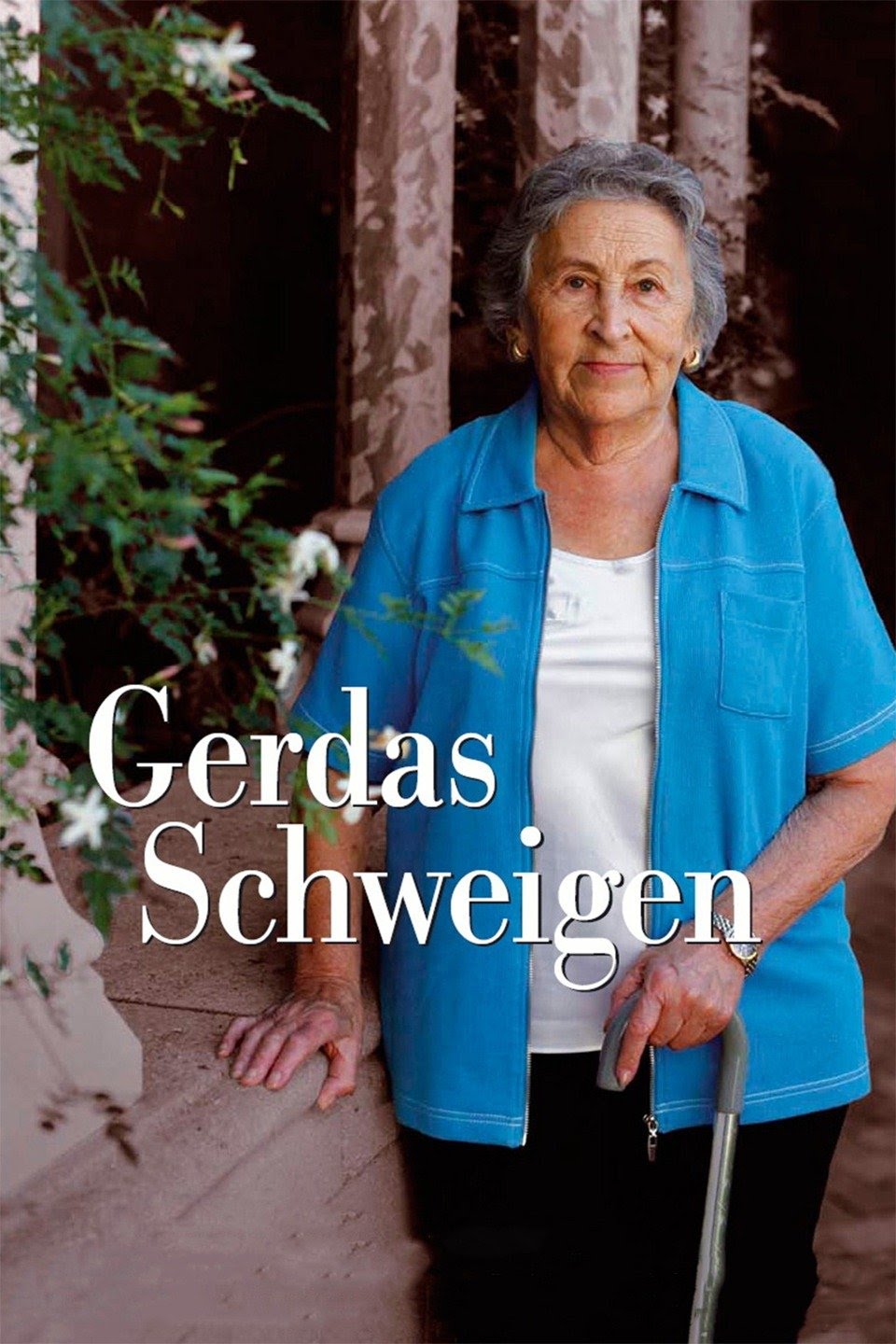
When 6 year old Knut asks Auntie Gerda about her child, the room falls silent. 40 years later, now a journalist, he asks again. Gerda has never shared her past with anyone in her new home in the US, so why answer now.